
Views: 0 Author: Site Editor Publish Time: 2026-11-16 Origin: Site


The global shift toward cashless commerce has triggered a massive surge in digital wallets. QR code transactions now dominate the retail landscape. They streamline purchases. They cut hardware costs. However, a critical operational bottleneck remains. Engineers call it the confirmation delay.
In legacy setups, cashiers must visually verify the transaction success on a customer mobile screen. This manual check causes friction at the point of sale. It slows down queue velocity during peak hours. Worse, it exposes businesses to sophisticated screenshot fraud. To address these hardware vulnerabilities, the financial sector developed a specialized, standalone solution. The Soundbox Payment Terminal serves as a physical bridge between digital cloud transactions and immediate auditory confirmation.
By utilizing cloud-based Internet of Things architecture, this hardware instantly announces successful payments via automated voice alerts. Visual checks are entirely eliminated. This technical guide examines the underlying cloud infrastructure, transaction lifecycles, and operational advantages of upgrading your checkout hardware.
Looking at the current trajectory of retail technology, the industry is rapidly moving away from passive visual confirmation. Market data indicates a strong migration toward active, IoT-driven auditory feedback systems. Retailers demand hardware that operates independently of personal smartphones. This shift is driving the development of hybrid devices that combine payment broadcasting with dynamic code generation. As transaction volumes scale, merchants require enterprise-grade reliability over consumer-grade workarounds.
Instant Verification: The hardware removes checkout friction by delivering real-time, audible confirmation the millisecond a transaction clears the banking network.
Advanced Cloud Architecture: Contemporary terminals leverage hybrid mPOS frameworks and lightweight IoT protocols to process and announce transactions with near-zero latency.
Fraud Prevention: By shifting transaction verification from the consumer personal screen to the merchant controlled hardware, these devices neutralize fake screenshot scams.
Dynamic Capabilities: Next-generation models feature integrated LCD screens to generate transaction-specific dynamic QR codes. This minimizes human input errors.
Cost-Effective Infrastructure: Audio terminals provide a lower barrier to entry compared to traditional NFC-enabled POS systems while maintaining strict operational efficiency.
The trajectory of QR code payments began with static, printed codes displayed on merchant countertops. Consumers scanned the code, manually typed the purchase amount, and authorized the transfer. While cheap to deploy, this legacy method was highly prone to human error and deliberate underpayment. As digital wallets evolved, the market demanded a tighter, merchant-controlled verification method.
At its core, a payment soundbox is a specialized IoT device engineered to interface directly with financial servers. Its primary function is simple but critical. It loudly broadcasts a voice notification the exact moment a transaction is successfully processed by the acquiring bank. By functioning as an independent hardware node, it frees the merchant smartphone from the checkout counter. The device operates autonomously. It utilizes integrated cellular or Wi-Fi modules to maintain a persistent connection to the payment network.
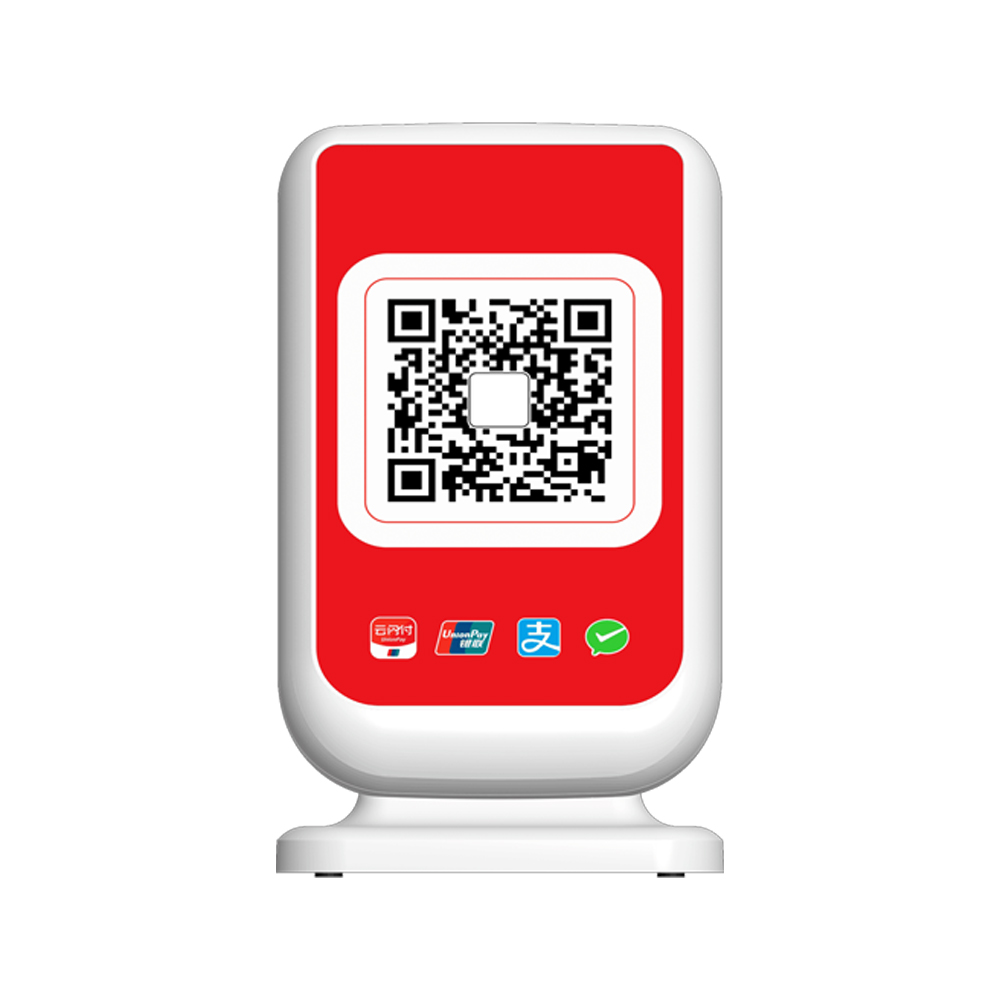
The operational efficiency of this hardware relies on a highly optimized transaction routing lifecycle. How does a dynamic QR code soundbox achieve such speed? When a customer initiates a payment, the application tokenizes the data and encrypts the payload for secure transmission. The payment gateway routes the authorization request to the Acquirer and the Issuer bank. Once funds are verified, the bank triggers a success status back to the gateway. Finally, the cloud server emits an API webhook. This sends a low-latency signal to the terminal to play the pre-configured audio file.
To achieve near-instant audio playback, these devices utilize specialized cloud architecture. Unlike web browsers that pull data via standard HTTP, these terminals maintain an always-open connection to the server. Engineers typically achieve this using MQTT, a lightweight messaging transport protocol. Because MQTT operates on a publish-subscribe model, it requires minimal bandwidth. The trigger packet reaches the device in milliseconds. This guarantees zero-latency alerts even in areas with fluctuating network coverage.
Specifically, differentiating between static and dynamic QR code generation is vital for checkout accuracy. Static codes contain fixed data. They rely on customers to input amounts manually. Conversely, modern terminals embed the exact transaction amount into the QR code dynamically. This technical shift eliminates the risk of accidental typos, securing the integrity of every sale.
To understand the commercial value, we must evaluate the hardware against existing alternatives. Below is a technical comparison of standard checkout methodologies.
Feature | Static Printed QR | Traditional POS | Soundbox Terminal |
|---|---|---|---|
Hardware Cost | Near Zero | High | Low to Medium |
Verification Speed | Slow manually checked | Medium | Instant audio alert |
Fraud Vulnerability | High screenshot spoofing | Low | Zero local spoofing |
Input Error Risk | High customer types amount | Low | Zero with dynamic LCD |
In high-velocity retail environments like quick-service restaurants and busy street markets, time is a critical metric. A traditional visual check takes several seconds per transaction. This creates a severe backlog. An audible alert allows the cashier to begin bagging items or preparing the next order while the customer is still finalizing the transfer. This parallel processing capability significantly boosts queue throughput.
Furthermore, payment fraud via spoofed applications has become a massive vulnerability. Malicious actors frequently utilize modified apps that generate a fake success screen. Since cashiers are pressured to keep lines moving, they often glance at these screens and approve the sale prematurely. Deploying a professional IoT payment soundbox mitigates this risk entirely. The device only triggers an audio alert when the merchant server confirms the actual receipt of funds. Local screen spoofing becomes completely ineffective.
Beyond security, the audible cue provides psychological closure for the consumer. The voice broadcast confirms the payment cleared the network. The awkward pause where the customer holds their phone up, waiting for the cashier to nod, is gone. This creates a seamless, professional retail experience.
When selecting hardware for your business, connectivity and display capabilities are paramount. Do not settle for consumer-grade speakers disguised as payment terminals. You need industrial reliability.
Network redundancy is non-negotiable. A terminal relying solely on local Wi-Fi is vulnerable to router failures. Enterprise-grade units must be equipped with dual connectivity. Look for devices featuring both Wi-Fi modules and 4G LTE SIM slots. If the primary broadband connection drops, the device automatically fails over to the cellular network. This prevents lost sales during peak business hours.
In addition, the integration of digital screens represents a major leap in utility. Take the Soundbox Payment Terminal Z20 as an engineering benchmark. It features a 2.4-inch front LCD display. When the merchant inputs the price on the keypad, the screen generates a unique QR code embedding that exact amount. The customer simply scans and pays. Coupled with high-decibel speakers designed to cut through ambient market noise and high-capacity batteries for all-day use, these specifications define the gold standard for retail reliability.
It is an IoT-enabled hardware device that provides instant, audible voice alerts to merchants the exact moment a customer QR code payment is successfully processed by the bank.
While many devices can connect via Wi-Fi, enterprise-grade models feature 4G SIM card slots. This cellular redundancy ensures the device continues to process alerts flawlessly even during local internet outages.
The hardware bypasses the customer mobile screen entirely. The soundbox only triggers an audio alert when the merchant payment gateway server confirms the funds have actually been received. This makes fake screenshot apps useless.
Yes. Modern terminals equipped with front LCD screens generate unique, dynamic QR codes for every individual transaction. This embeds the exact price into the code, eliminating the need for customers to manually type the payment amount.
Integration is highly streamlined. Most modern units utilize cloud APIs that communicate with existing mPOS and traditional POS systems. This creates a seamless hybrid architecture without requiring complex local wiring.
Absolutely. These are standalone IoT devices. They contain their own network modules, processors, and speakers. Once configured, merchants do not need to keep a personal smartphone at the checkout counter to verify transactions.
Because the device utilizes lightweight IoT protocols like MQTT, data payloads are incredibly small. A typical terminal processing hundreds of transactions daily will generally consume less than 50MB of cellular data per month.
Relying on manual visual checks is no longer viable for scaling retail operations. The operational bottlenecks and fraud risks are simply too high. By upgrading to an automated, auditory verification system, you protect your revenue and drastically improve queue speeds. Ready to eliminate checkout friction and secure every transaction? Evaluate your hardware needs and explore professional solutions like the Z20 model at szhcct.com to find the perfect fit for your business environment.
