
Views: 0 Author: Site Editor Publish Time: 2026-06-20 Origin: Site


Mass transit agencies are rapidly transitioning from legacy paper ticketing to Account-Based Ticketing (ABT) and open-loop payment systems. Passengers now expect to tap their smartphones or credit cards to board seamlessly. A modern Bus Validator is no longer just a standalone punch machine. It operates as the frontline edge device connecting passenger taps to centralized fare engines. It processes secure transactions instantly while capturing critical boarding data. This guide will break down functional mechanics, implementation risks, and technical evaluation criteria. Transit agencies looking to modernize their fleet will learn how to assess these vital edge components. You will discover exactly what powers a frictionless daily commute.
Modern bus validators process multiple media types (cEMV, closed-loop cards, QR/barcodes, mobile wallets) in milliseconds to minimize dwell time.
The primary business value lies in bridging edge hardware with cloud-based Account-Based Ticketing (ABT) systems for dynamic fare capping and real-time ridership data.
Successful implementation requires evaluating hardware durability, API openness, and strict compliance standards (EMV L1/L2, PCI-DSS, IP65+ ratings).
Risk mitigation during deployment hinges on offline processing capabilities and seamless integration with existing CAD/AVL (Computer-Aided Dispatch/Automatic Vehicle Location) systems.
A transit network relies heavily on fast edge computing. The validator acts as a localized bridge. It securely reads passenger credentials. It then communicates these details to the central back-office. We call this a hardware-to-cloud bridge. The device handles complex encryption locally. This prevents delays during peak boarding hours. Secure Access Module (SAM) slots protect the internal data keys.
Omnichannel acceptance is crucial. Passengers carry diverse payment methods. A robust Bus Validator handles several formats simultaneously. Transit authorities must support all riders equally.
Contactless EMV (cEMV): Riders tap credit cards, debit cards, or mobile wallets. Apple Pay and Google Wallet fall into this category. Devices often support Express Transit modes. This allows tapping without waking the phone.
Closed-Loop Smart Cards: Agencies issue specific transit cards. Common standards include Mifare, Calypso, and DESFire. These remain popular for student and senior programs.
Optical Scanning: High-speed cameras read dynamic QR codes. They also scan mobile app tickets instantly. The focal length is optimized for smartphone screens.
Validation logic execution happens in milliseconds. The device authenticates the media first. It checks local blocklists to catch invalid cards. You then see and hear immediate feedback. Green lights and pleasant beeps signal a successful tap. Red lights and distinct buzzers alert the driver to a problem. This audio-visual feedback keeps the boarding line moving efficiently.
Offline fallback mechanisms prevent chaos. Cellular connectivity drops frequently along certain routes. Validators securely store transit interactions locally. They cache deferred authorizations. Once the vehicle regains network access, they sync automatically. The back-office receives all delayed transaction records safely. Commuters never notice the network drop.
Agencies must align hardware features against actual transit outcomes. Speed and throughput directly affect service efficiency. Transit operators demand sub-500ms processing times. Faster tap-to-validation speeds reduce vehicle dwell times at busy stops. Passengers board quickly. Buses stick to their schedules. Every saved second improves route profitability.
Hardware durability matters immensely. Transit environments are harsh. You must assess ingress protection ratings. IP65 or IP67 ratings protect devices against dust and moisture. Impact resistance is equally important. An IK08 rating ensures survival in high-vandalism environments. Screens must remain visible under high-glare sunlight. Devices must also include ADA-compliant audio and visual cues. High-contrast colors and specific decibel levels ensure accessibility for all passengers.
Software agnosticism prevents proprietary lock-in. Closed systems restrict future upgrades. Open APIs allow seamless integration. You can connect open architecture to third-party ABT platforms. They also integrate easily into existing mobile ticketing apps. Standardized JSON payloads over RESTful APIs make developer integrations straightforward.
Feature Category | Technical Standard | Transit Outcome |
|---|---|---|
Processing Speed | Sub-500ms transaction latency | Reduces dwell time and speeds up boarding queues. |
Environmental Protection | IP65 / IP67 Rating | Prevents water and dust damage during vehicle cleaning. |
Impact Resistance | IK08+ Rating | Protects the screen and casing from accidental strikes. |
System Architecture | Open RESTful APIs | Prevents vendor lock-in and simplifies third-party integration. |
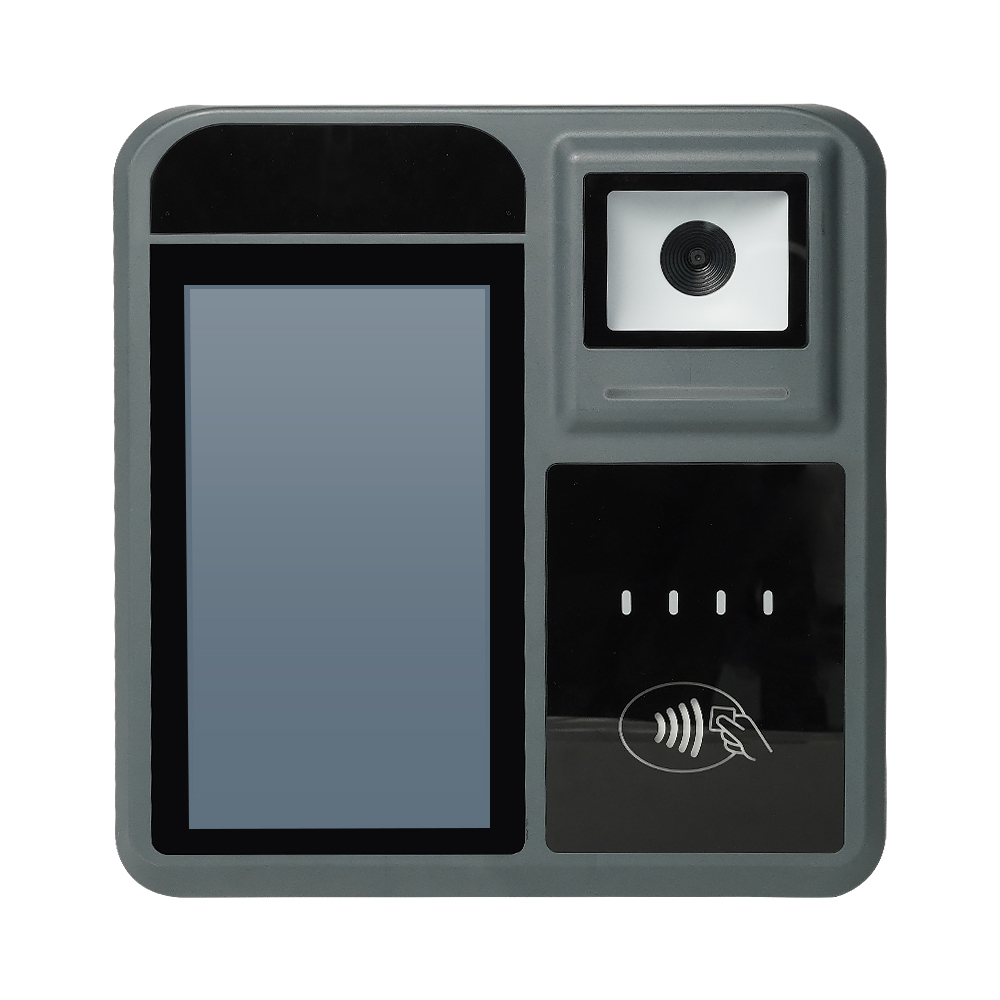
Why do transit agencies upgrade their legacy equipment? A modern Bus Validator solves multiple operational headaches simultaneously. Outdated fareboxes drain resources. Modern edge devices automate enforcement and data collection.
Revenue Protection & Fare Evasion: Ticket sharing costs agencies millions annually. Dynamic QR codes refresh every few seconds. This prevents screenshot sharing entirely. Real-time blocklists deny spoofed or canceled cards instantly.
Data-Driven Route Optimization: Agencies previously relied on estimated ridership. Modern devices provide exact boarding data. Some systems even capture alighting data through secondary taps. Planners use these precise metrics to optimize fleet deployment. You can easily identify underperforming routes.
Phasing Out Cash Handling: Processing physical coins is slow. It also demands expensive back-office counting infrastructure. Shifting riders to digital validation reduces operational costs significantly. Drivers focus on the road rather than making change.
Fare Equity & Capping: Complex fare rules require robust edge devices. Validators enable daily or weekly fare caps natively. They support concessionary profiles for students or seniors. Back-end ABT systems sync these rules directly to the fleet. Lower-income riders save money without buying expensive monthly passes upfront.
Rolling out new hardware involves strict compliance and physical challenges. Security benchmarks are non-negotiable. Processing bank cards requires EMV Level 1 and Level 2 certifications. These standards verify secure radio frequency communication. They also dictate secure application processing. You must also meet PCI-DSS requirements. This ensures data encryption at the point of interaction. It protects sensitive financial data from interception. Without these certifications, you cannot accept open-loop payments safely.
Vehicle integration challenges require careful planning. Engineers must solve physical and electrical constraints.
Power Supply Realities: Devices must connect to standard 12V or 24V bus power reliably. They must withstand voltage spikes from the vehicle alternator.
Mounting Protocols: Agencies choose between stanchion poles and dashboard mounts. Space constraints near the driver console dictate these decisions. Vibration dampening mounts prevent internal hardware damage.
Network Dependencies: Some vehicles leverage existing bus routers via ethernet. Others rely on internal SIM cards housed directly inside the validator. Dual-SIM options provide cellular redundancy.
Driver adoption heavily influences project success. Operational friction occurs easily. A poorly integrated driver console confuses staff. A high-quality Bus Validator syncs flawlessly alongside the driver interface. Comprehensive driver training mitigates these risks effectively. You must involve operators during the early design phases.
Integration Risk | Common Cause | Mitigation Strategy |
|---|---|---|
Data Breaches | Unencrypted localized data storage. | Ensure PCI-DSS compliance and Point-to-Point Encryption (P2PE). |
Hardware Failure | Excessive vehicle vibration and poor mounting. | Utilize MIL-STD tested brackets and specialized dampeners. |
Driver Confusion | Complex error codes and poor UI design. | Implement simple color-coded alerts and conduct hands-on training. |
Selecting the right hardware vendor requires a structured approach. You must define success criteria early. Establish specific baseline requirements first. For example, mandate cEMV support. Require native integration into existing GTFS feeds. Document these non-negotiables clearly before issuing any public tender. Your procurement team must align with IT and operations.
A pilot testing strategy is mandatory. Never deploy hardware across the entire fleet blindly. Select a limited route deployment first. This allows your team to test cellular dead-zones in real environments. You can measure actual transaction speeds accurately. You will also observe hardware durability under real passenger loads. Gather feedback from the drivers operating the pilot buses. Their insights often reveal hidden interface flaws.
Vendor evaluations should prioritize open ecosystems. Avoid vendors demanding restrictive data silos. Choose partners who provide comprehensive API documentation upfront. Ask for integration case studies. Verify their EMV certification statuses through official databases. A transparent vendor accelerates your modernization timeline drastically.
A reliable bus validator is a critical edge gateway. It drives data collection, revenue protection, and passenger experience. It is far more than just a hardware scanner. Transitioning to modern contactless systems eliminates cash-handling bottlenecks. It empowers agencies to implement equitable fare capping rules.
Operations and IT leaders must audit their current fare collection bottlenecks now. You should begin drafting technical requirement documents immediately. Base these documents strictly on open standards. Prioritize EMV certifications and robust offline fallback capabilities. A strategic hardware upgrade today ensures a future-proof transit network tomorrow.
A: A ticket validator primarily processes digital and contactless credentials like smart cards and mobile wallets. It relies on secure electronic verification. A farebox focuses on mechanical cash and coin acceptance. Validators speed up boarding, while fareboxes often cause delays due to manual counting.
A: It uses local caching and deferred authorization. The device securely stores encrypted transit interactions internally. It authenticates media against a downloaded offline blocklist. Once the vehicle re-enters a cellular coverage zone, the device automatically syncs all stored data to the central back-office.
A: Processing open-loop credit and debit payments involves strict security standards. EMV certifications ensure the device communicates securely with bank cards. They mitigate fraud risks and clarify the liability shift. Uncertified devices cannot legally or safely process mainstream financial transactions.
A: Yes, many devices support retrofitting. They often include programmable relay outputs. These relays can trigger legacy turnstile gates to open. Agencies frequently use this strategy during hardware transition phases to bridge the gap between old mechanical systems and new digital platforms.
